
Connerton Rodent & Wildlife Removal
Mobile Home Wildlife Exclusion • Dead Animal Removal • Attic & Soffit Protection
Why Connerton rodent and wildlife removal is essential
Connerton, located in northern Pasco County near the Cypress Creek Conservation Area and Cypress Preserve, is a growing community with many new and older mobile homes. Though idyllic, the surrounding woodlands create wildlife pressure year-round. Animals common in the area—such as rats, raccoons, squirrels, opossums, bats, snakes, and armadillos—thrive in the warm climate. Without proper exclusion, they exploit unsealed crawl spaces, soffits, and attic vents. Traps or bait boxes remove pests temporarily, but they don’t prevent return. Only a comprehensive system—built on sealed soffits and a ¼-inch hardware cloth barrier—offers guaranteed protection. We also specialize in dead animal removal from under mobile homes, which is critical for odor control and home health.
Send Us A Message
Wildlife Most Commonly Found Around Connerton Mobile Homes
| Animal | Entry Points | Damage & Risks |
|---|---|---|
| Rats & Mice | Crawl space gaps, skirting, soffits, vents | Chew wiring, contaminate insulation, spread disease |
| Raccoons/Opossums | Soffits, attic openings, crawl access | Wreck insulation, create nests, destroy utilities |
| Squirrels | Roof vents, soffit breaches | Nest inside attic, gnaw wiring, fire hazard risk |
| Bats/Snakes | Roof/attic vents, soffit cracks | Pose health risks (guano, venom); legal removal requirements |
| Armadillos | Burrow beneath mobile homes | Weaken foundation piers and cause subsidence |
| Dead Animal Carcasses | Hidden under structure or crawl space | Cause bad odor, mold, and attract pests |
Signs You Need Connerton Wildlife & Odor Removal Services
- Hearing rustling or screeching in the crawl space or attic
- Fresh dirt mounds near skirting, foundation, or piers
- Holes, insulation damage, or chewed soffits and vents
- Foul smell under or inside the mobile home
- Sightings of wildlife beneath the floor or entering vents
Our 7-Step Connerton Wildlife Exclusion Process
- Complete Inspection
Using borescopes and thermal tools to identify holes, damage, and wildlife hotspots. - Humane Wildlife Removal
For rats, squirrels, raccoons, opossums, and other species, we use live traps or exclusion devices aligned with wildlife laws. - Dead Animal Removal & Sanitization
We safely locate and remove carcasses from under the home, then sanitize the area to eliminate odors and bacteria. - Soffit & Attic Sealing
Installing secure screens and replacing damaged soffits to block climbing entryways. - Hardware Cloth Barrier Installation
We offer these methods depending on your home’s foundation:- Buried barrier in soil
- Concrete-mounted barrier for slab foundations
- Interior wrap option behind skirting for discreet coverage
- Skirting & Tape for Utility Lines
We secure all gap areas, reinforcing skirting and sealing utility penetrations. - Cleanup & System Maintenance
Replacing any contaminated insulation, disinfecting, and scheduling quarterly inspections to preserve exclusion effectiveness.
Why Our Approach Outperforms Temporary Fixes
- Permanent exclusion: A hardware cloth barrier cannot be chewed or dug through, unlike bait boxes.
- Protection across seasons: Sealed soffits and attic vents prevent climbing wildlife even during nesting seasons.
- Health and safety: Immediate dead animal removal stops odors, mold, and secondary pest infestations.
- Aesthetic options: The interior wrap method keeps your home’s look clean without compromising the barrier.
This Connerton mobile home includes a ¼-inch galvanized hardware cloth barrier—installed either buried in soil or concrete-mounted, depending on foundation type. The barrier works alongside sealed soffits and attic vents to block entry from rats, raccoons, squirrels, bats, and snakes. Additionally, you can opt for the interior wrap option, which conceals the mesh behind skirting at an added cost. Every installation method featured here guarantees long-term exclusion—far more effective than temporary bait boxes or traps.
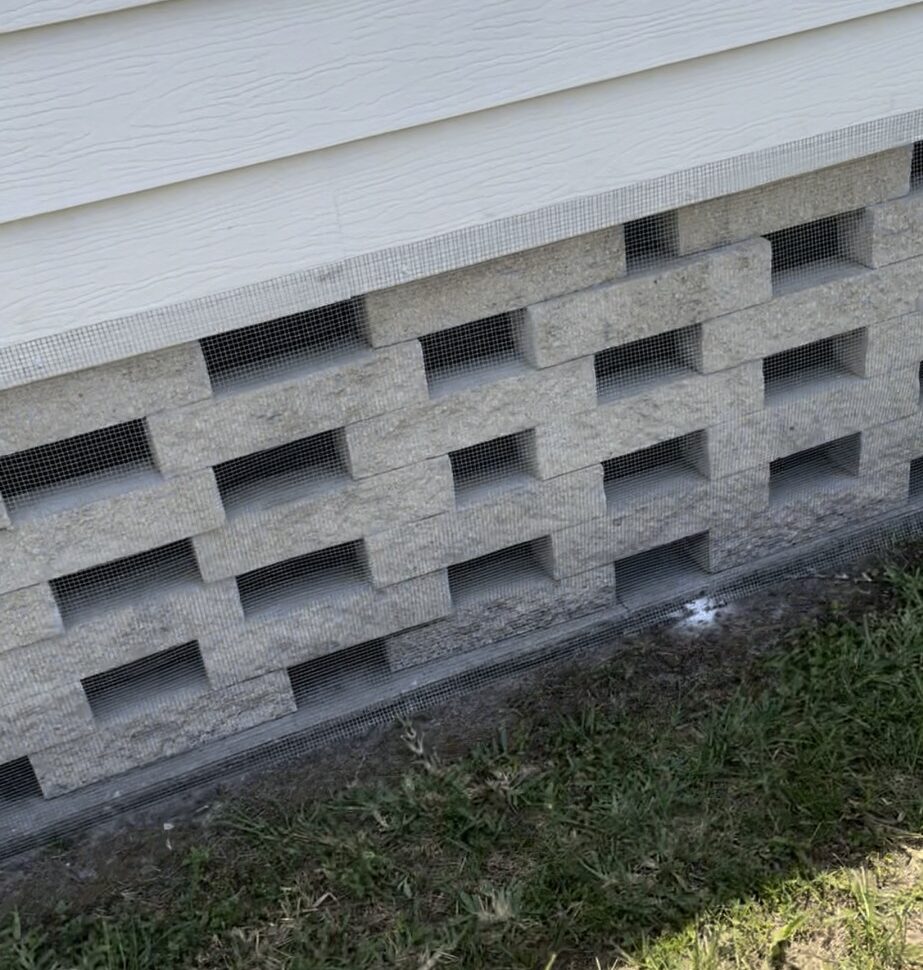
Critter Removal in Connerton
Connerton homeowners live near conservation zones like Cypress Creek and Preserve Park, attracting abundant wildlife. Both older and newer mobile homes in the area are vulnerable unless properly excluded. Routine inspections and permanent barrier installations are critical to maintaining wildlife-free homes.