Jasmine Estates Rodent & Wildlife Removal
Mobile Home Wildlife Exclusion • Dead Animal Removal • Soffit & Attic Protection
Why rodent and wildlife removal matters in Jasmine Estates
Jasmine Estates is a community of mobile homes nestled in North Pasco County, surrounded by wooded areas, ponds, and wildlife corridors. These conditions make homes vulnerable to intruders like rats, raccoons, squirrels, armadillos, snakes, and bats—especially in moist weather. While bait boxes and traps may remove current pests, they do not block future entry. A robust system—with sealed soffits and attic vents and a ¼‑inch hardware cloth barrier (either buried, concrete‑mounted, or interior‑wrapped)—is the only guaranteed way to prevent wildlife infiltration. Plus, our dead animal removal service eliminates hidden odors and health hazards lurking under your home.
Send Us A Message
Wildlife Frequently Found in Jasmine Estates Mobile Homes
| Animal | Entry Routes | Risks & Damage |
|---|---|---|
| Rats & Mice | Crawl spaces, vents, skirting gaps | Insulation damage, wiring gnawing, disease risk |
| Raccoons/Opossums | Soffit vents, attic access, crawl space | Structural damage and utility chewing |
| Squirrels | Attic openings, soffit cracks | Fire risk from wiring, attic infestations |
| Bats/Snakes | Roof/attic ventilation, soffit voids | Guano hazards, venom threats, legal removal requirements |
| Armadillos | Burrow under the home’s perimeter | Undermine support structures and create sinkholes |
| Dead Animal Carcasses | Found under floorboards or in crawl spaces | Cause smelly odors, mold, and secondary pest problems |
These wildlife issues are common in Jasmine Estates, especially after rain or seasonal wildlife migration patterns.
Availability of Wildlife & Odor Issues — Watch For These Signs
- Noisy scratchings or scampering sounds in crawl spaces or attics
- Fresh soil, dug holes, or disturbed earth around skirting
- Torn soffits, frayed insulation, or chewed vents
- Persistent foul odors emerging from under the home
- Frequent sightings of animals around vents or crawl access points
Our 7‑Step Wildlife Exclusion & Cleanup Process
- Professional Inspection
Evaluate the home—crawl space, attic, vents, and foundation—using borescopes and thermal cameras as needed. - Humane Wildlife Removal
Live trapping or exclusion devices are tailored per wildlife species, in compliance with state laws. - Dead Animal Removal & Sanitization
We locate carcasses hidden under the home, remove them safely, and utilize enzyme cleaners and deodorants for odor elimination. - Soffit & Attic Sealing
All damaged panels are repaired, vents capped, and fascia reinforced to block wildlife access. - Hardware Cloth Barrier Installation
Depending on foundation:- Buried mesh in soil
- Concrete‑mounted mesh on slab foundations
- Optional interior wrap behind skirting for a clean finish
- Skirting & Utility Line Sealing
We seal all gaps around utilities, reinforce skirting, and secure crawl-space access. - Cleanup & Follow-up Inspections
We restore insulation, disinfect surfaces, and offer quarterly check-ups to ensure barrier integrity.
This system is not just service—it’s a promise of permanent wildlife exclusion. Baits and traps alone cannot achieve that.
Why Our Method Outshines Temporary Solutions
- Unbreachable barrier: Hardware cloth holes are too small for animals to chew or dig through.
- Full seasonal protection: Sealed soffits and vents prevent seasonal nesting or climbing.
- Health-first approach: Immediate removal of carcasses prevents mold and reduces pest attraction.
- Aesthetic integrity: The interior wrap hides the barrier for a seamless curb appeal.
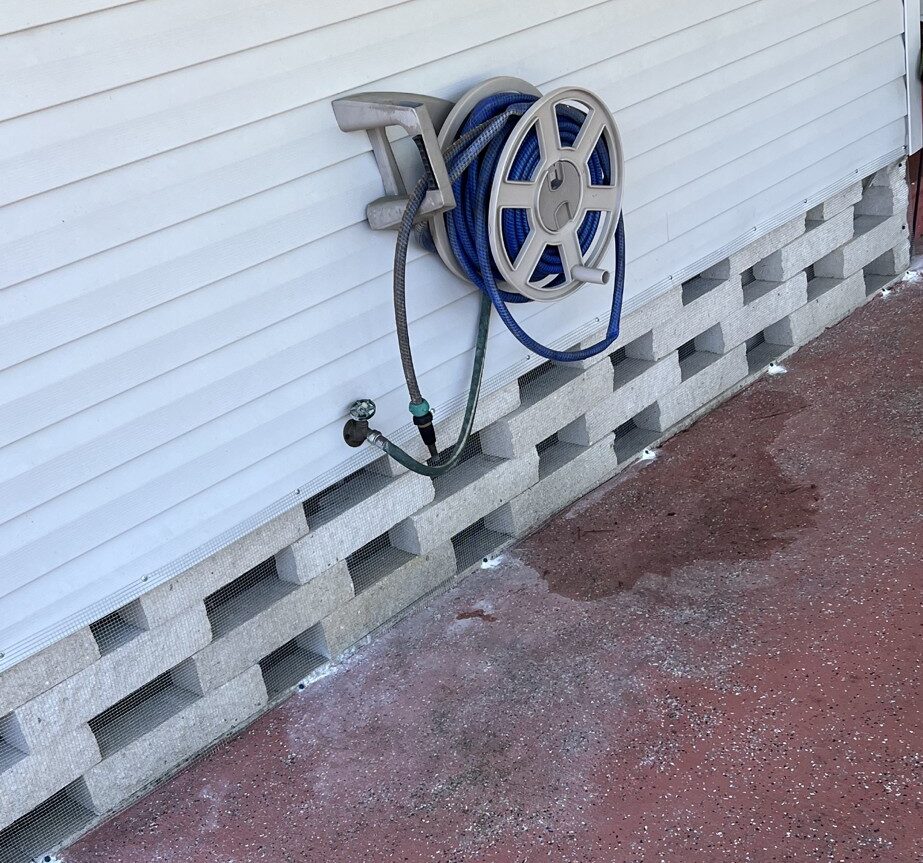
This Jasmine Estates mobile home is equipped with a ¼‑inch galvanized hardware cloth barrier—installed either buried into the ground or concrete‑mounted, based on foundation type. Sealed soffits and attic vents work alongside the barrier to block access from rats, raccoons, squirrels, bats, snakes, and armadillos. Homeowners can also choose our interior wrap option, which hides the mesh behind skirting for a clean aesthetic at an added cost. Each method also plays a crucial role in eliminating wildlife re-entry—dramatically outperforming bait stations or traps alone.
Local Context — Nature Surrounding Jasmine Estates
Surrounded by wildlife corridors, wooded buffers, and occasional flood-prone zones, Jasmine Estates is vulnerable to intrusions year-round. Both stand-alone and park-model mobile homes benefit from infrastructure-level wildlife exclusion to prevent recurring damages and health risks.
Jasmine Estates FAQs
Yes. Traps remove some intruders, but only a properly installed hardware cloth barrier, along with sealed soffits and vents, will stop repeated wildlife entry.
Decaying carcasses produce deep odors that permeate living spaces, attract insects, promote mold, and threaten occupants’ health without prompt removal.
Yes. The mix of woodlands, wetlands, and mobile foundations create ideal conditions for rodent nesting under buildings—making exclusion essential.
Depending on your foundation—soil, slab, or crawl-space—we offer buried mesh, concrete-mounted mesh, and a premium interior wrap for aesthetics without compromise.
In Jasmine Estates, expect a full package (removal, barrier installation, sealing, dead animal cleanup) to range from $600 to $1,500, depending on foundation type and wrap choice.