Seminole Rodent & Wildlife Removal
Mobile Home Wildlife Exclusion • Dead Animal Removal from Under Mobile Home • Soffit, Attic & Ground Vent Sealing
Why Seminole rodent and wildlife removal matters
Seminole rodent and wildlife removal helps protect your mobile home in Seminole—a Pinellas County suburb—from recurring wildlife infestations. Many manufactured homes here sit on slab, pier, or crawl-space foundations. Features like exposed soffits, attic vents, crawl spaces, and ground vents are common, and they often invite wildlife agents such as rats, raccoons, squirrels, opossums, bats, snakes, and armadillos inside–especially under or within homes. Temporary fixes like bait or traps may remove current wildlife, yet they do nothing to prevent new entry. The only fully effective, long-lasting solution combines ¼‑inch hardware cloth sealing of soffits, attic vents, and ground vents (installed on the back side), installation of a continuous foundation barrier (buried, tap‑conned, or interior-wrapped), along with dead animal removal from under mobile homes, ensuring odor-free and hygienic living.
Send Us a Message
Common Wildlife Intruders in Seminole Mobile Homes
- Rats & Mice – squeeze through unprotected ground vents or crawl openings, chewing insulation and contaminating spaces
- Raccoons & Opossums – force entry through soffit or crawl-space gaps, tearing insulation and damaging structure
- Squirrels – enter attics via vent openings, gnaw on wires, and store nesting materials
- Bats & Snakes – infiltrate through soffit cracks or vent exposures, sometimes nesting above ceilings quietly
- Armadillos – burrow under exterior skirting or slab edges, undermining structural stability
- Hidden Carcasses – decomposing wildlife under mobile homes cause odor issues and attract secondary infestations
Seminole’s suburban landscape, shaded by mature trees and punctuated by wetlands, increases wildlife presence—especially under homes without proper exclusion.
Evidence of Wildlife Presence
- Nocturnal Audio Clues – hear scratching, gnawing, or rustling near ground vents, crawl spaces, or attic areas
- Dirt Mounds & Entry Holes – see fresh soil deposits around foundation edges or ground vents
- Damage to Structure – shredded insulation, torn soffits, missing vent covers, nap-peeling skirting
- Persistent Foul Odors – strong lingering smells below the structure, hinting at hidden carcasses
- Wildlife Sightings – occasional appearances of animals under homes, near vents, or within crawl spaces
Left unaddressed, wildlife intrusion can lead to damaged insulation, electrical hazards, allergic reactions, and poor indoor air quality.
Our 7-Step Seminole Wildlife Exclusion & Cleanup Process
- Comprehensive Inspection
- We evaluate soffits, attic and ground vents, crawl spaces, and foundation perimeters using borescopes, thermal imaging, and moisture detection tools.
- Humane Wildlife Removal
- Based on species, we deploy live traps or one-way exits, compliant with Florida wildlife regulations.
- Dead Animal Removal & Sanitization
- We retrieve hidden carcasses beneath mobile homes and sanitize the area with enzyme-based cleaners and odor neutralizers.
- Soffit, Attic & Ground Vent Sealing
- We repair or replace damaged soffits and attic vents. All ground vents are retrofitted with ¼‑inch hardware cloth on the back side, ensuring ventilation remains while excluding wildlife.
- Hardware Cloth Barrier Installation
- A thorough barrier system tailored by foundation:
- Buried mesh (8–10″ deep) for soil crawl-space homes
- Tap‑conned mesh anchored into concrete slabs
- Interior wrap behind skirting, concealed yet effective (premium option)
- A thorough barrier system tailored by foundation:
- Skirting & Utility Seal-Up
- We seal all pipe openings, cable entry points, vent lines, and skirting gaps using hardware cloth reinforcement to guarantee total exclusion.
- Final Cleanup & Ongoing Maintenance
- Contaminated insulation is replaced, areas are cleaned and deodorized, and quarterly inspections are scheduled to maintain barrier effectiveness—ensuring ongoing wildlife prevention.
This robust system—covering ground vent reinforcement, soffit/attic sealing, barrier installation, and carcass cleanup—provides the only reliable defense against wildlife intrusion. Traps or bait alone simply remove present pests without stopping future entry.
Why Our Seminole Approach Is Effective
- Complete wildlife exclusion: hard-wearing ¼‑inch hardware cloth resists gnawing, climbing, and burrowing
- Protected airflow: ground vents and attic spaces remain ventilated while secure
- Seasonal prevention: sealed soffits and vents eliminate nesting spots
- Health-focused cleanup: removal of carcasses prevents mold, biohazards, and pest attraction
- Visual appeal: optional interior wrap allows barriers without impacting exterior aesthetics
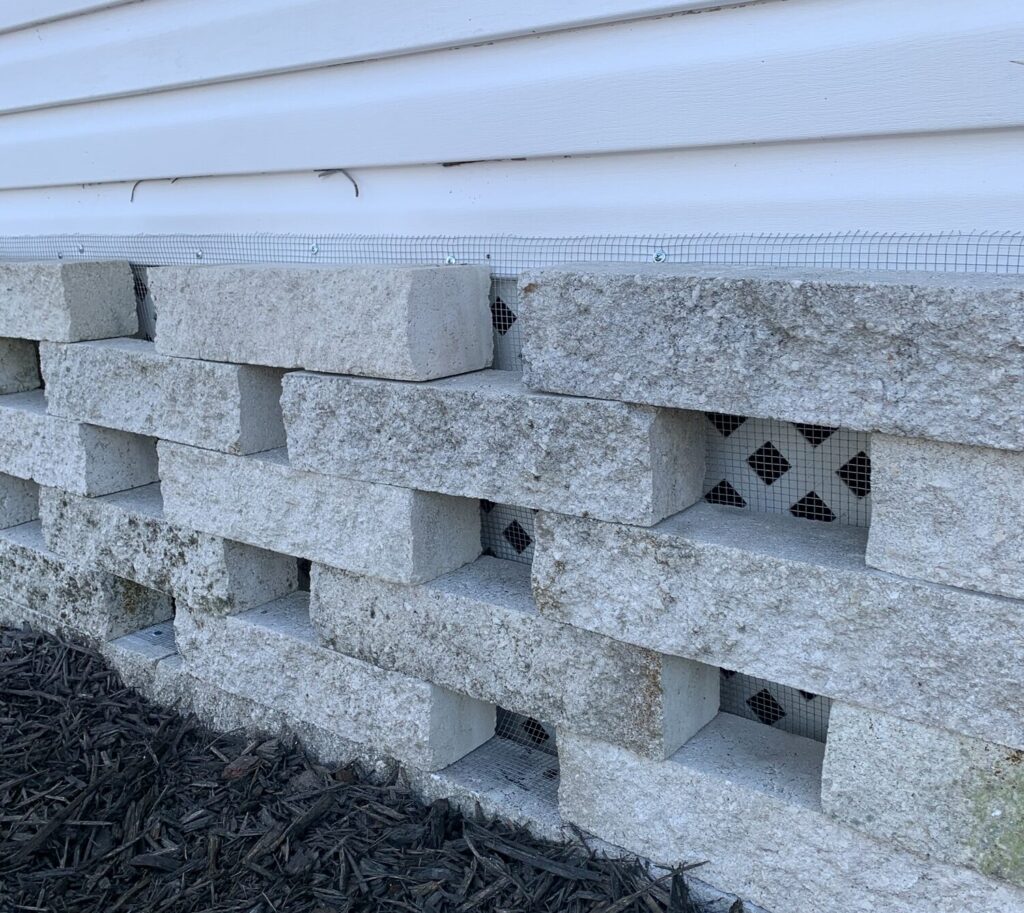
This Seminole mobile home features a ¼‑inch galvanized hardware cloth barrier—installed buried or tap‑conned depending on the foundation—along with sealed soffits, attic vents, and ground vents backed with mesh to maintain ventilation while blocking wildlife. An interior wrap option hides the barrier behind the skirting, preserving curb appeal. This comprehensive method is the only guaranteed way to prevent wildlife ingress—far superior to traps or bait boxes.
Local Wildlife Conditions in Seminole
Seminole’s combination of tree-lined streets, stormwater canals, and nearby green belts fosters wildlife activity. Mobile homes with exposed ground vents, skirting areas, or crawl spaces are frequent targets. Temporary solutions fail—structural exclusion using hardware cloth is the lasting defense.
Book Your Free Seminole Inspection
Protect your mobile home with our signature service package:
- Wildlife removal + dead animal extraction
- Guaranteed hardware cloth barrier (exterior or interior-wrap)
- Sealed soffits, attic vents, and ground vents
- Insulation replacement + area sanitization
- Quarterly inspections to maintain protection long-term
Seminole- FAQs
By applying a full hardware cloth barrier (buried, tap‑conned, or interior-wrapped), sealing soffits, attic vents, and installing mesh behind ground vents, complemented with dead-animal removal for odor control
No. You must retrofit ground vents with ¼‑inch mesh to maintain airflow while blocking wildlife entry.
Yes. The humid environment, mature landscaping, and exposed crawl spaces make rodent activity frequent—structural exclusion is essential.
Yes. Hidden carcasses can lead to mold growth, degraded air quality, and secondary infestations. Removal ensures a safe, healthy environment.
No. They address the current infestation but do not close access points. Only full exclusion with barrier and vent sealing prevents renewed infestations.
A full package—including wildlife removal, carcass cleanup, mesh venting, soffit/attic sealing, and barrier options—ranges from $600–1,500, depending on foundation type and selected add-ons.