Treasure Island Rodent & Wildlife Removal
Mobile Home Wildlife Exclusion • Dead Animal Removal from Under Mobile Home • Soffit, Attic & Ground Vent Sealing
Why Treasure Island rodent and wildlife removal matters
Treasure Island rodent and wildlife removal ensures long-lasting protection for mobile homes in this barrier-island community. Homes sit on pier, slab, or crawl-space foundations featuring soffits, attic vents, crawl areas, and ground vents. These points are prime entry for wildlife—rats, raccoons, squirrels, opossums, bats, snakes, and armadillos—especially in summer nesting seasons. Traps or baits may temporarily reduce pests, but they don’t block re-entry. The only guaranteed solution combines ¼‑inch hardware cloth sealing of all vulnerable points (ground vents, soffits, attic vents), installs a foundation barrier (buried, tap‑conned, or interior-wrapped), and includes dead animal removal from under mobile homes to eliminate odor and health risks.
Send Us A Message
Treasure Island vulnerabilities and wildlife intruders
Coastal Foundation Types
- Pier homes have fully exposed under-floor crawl spaces
- Crawl-space homes with ground vents are highly accessible to rodents
- Slab homes may have utility chases prone to wildlife breaches
- Climate: Trap sunlight and humidity accelerate decay, making exclusion urgent
Wildlife Guests
- Rats & Mice: Invade through ground vents, gnaw insulation and wiring
- Raccoons & Opossums: Force entry under skirting or soffits, rummaging under homes
- Squirrels: Slip into soffits or attic vents, chew cables and build nests
- Bats & Snakes: Enter through small soffit or vent gaps, sometimes unnoticed
- Armadillos: Dig tunnels under slabs or skirting, compromising foundations
- Decomposing Carcasses: Hidden decays release foul odors and attract insects
Signs of Wildlife Activity Around Your Mobile Home
- Nocturnal sounds—scratching or gnawing near vents/crawl spaces
- Soil mounds—fresh dirt near ground vents, skirting, or pier footings
- Damage—ripped soffits, shredded insulation, chewed wiring
- Odor—persistent bad smell from hidden carcasses
- Sightings—animals seen under the structure or near entry points
Undetected wildlife can damage insulation, wiring, and indoor air quality—acting fast prevents escalation.
Our 7‑Step Treasure Island Wildlife Exclusion & Cleanup Process
- Thorough Inspection
We evaluate soffits, attic and ground vents, crawl spaces, and foundations using borescopes, thermal imaging, and moisture meters. - Humane Wildlife Removal
Live traps or one-way exits specific to each species, conducted under local and state wildlife regulations. - Dead Animal Removal & Sanitization
Carcasses under mobile homes are located, removed, and the area treated with enzyme-based sanitizers to remove odor and pathogens. - Soffit, Attic & Ground Vent Sealing
Damaged soffits and attic vents are repaired or replaced. Ground vents are fitted with ¼‑inch hardware cloth at the back, ensuring airflow while blocking wildlife. - Hardware Cloth Barrier Installation
Depending on foundation:- Buried mesh (8–10″ deep) in crawl-space/sandy soil settings or pier foot pads
- Tap‑conned mesh anchored into concrete slabs
- Interior wrap behind skirting, concealed but fully protective (premium add-on)
- Skirting & Utility Seal-Up
All pipe penetrations, cables, vent lines, and skirting are sealed or reinforced using hardware cloth to close all gaps. - Final Cleanup & Quarterly Maintenance
Damaged insulation is replaced; the area is sanitized; quarterly inspections ensure barrier longevity and re-check for breaches.
This inclusive approach ensures permanent exclusion. Bait or trap-only solutions fail because they don’t seal vulnerable entry points.
Why This Method Works on Treasure Island
- Permanent exclusion with robust ¼‑inch hardware cloth
- Airflow maintained through vent mesh backing
- Year-round protection—sealed entry points prevent nesting raids
- Health-focused cleanup—no lingering odors or contaminants
- Visual appeal—interior wrap option conceals hardware cloth behind skirting
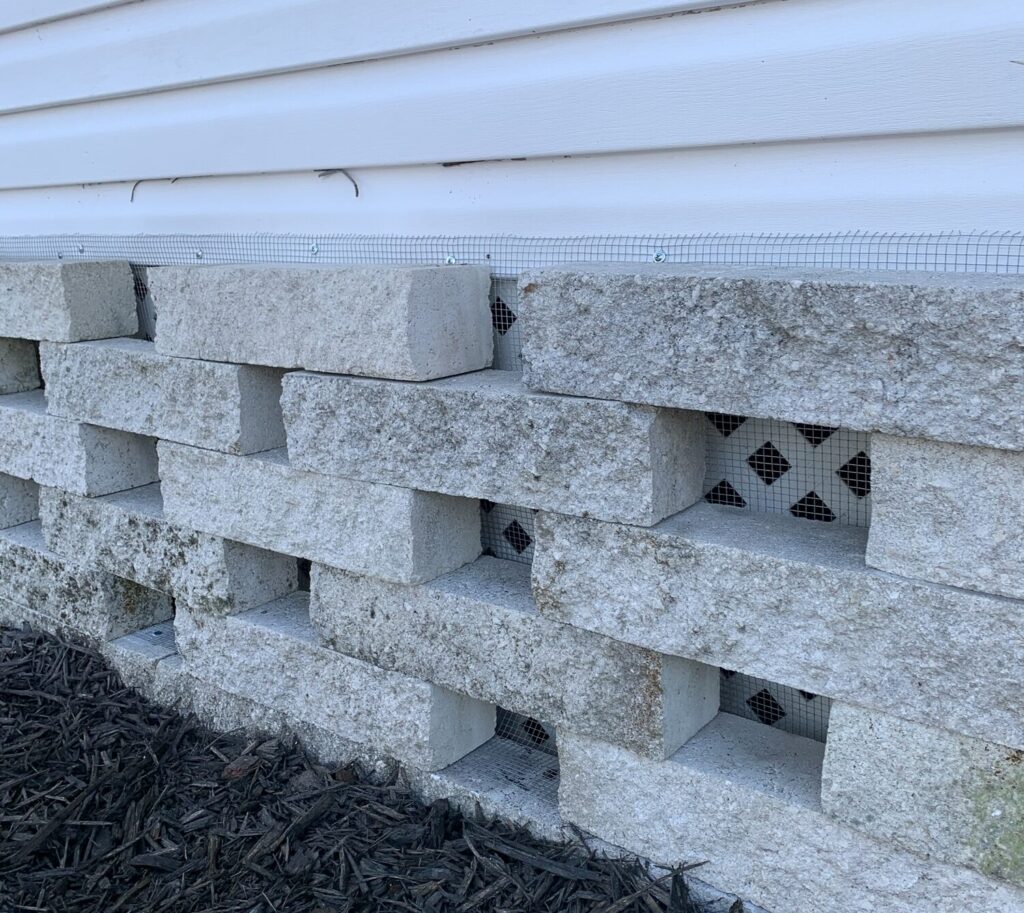
This Treasure Island mobile home features a ¼‑inch galvanized hardware cloth barrier—either buried in sandy soil or tap‑conned into concrete—with sealed soffits, attic vents, and ground vents backed with mesh to block wildlife while preserving airflow. Optionally, an interior wrap hidden behind skirting provides clean aesthetics. This method is the only guaranteed way to eliminate pest entry—superior to traps or bait-alone approaches.
Local Wildlife Context in Treasure Island
Treasure Island’s salt air, sandy soil, and beachfront greenery create prime conditions for wildlife. Mature palms attract rodents and squirrels. Pier foundations and ground vents in humid environments make mobile homes easy targets—structural exclusion is critical for longevity and comfort.
Book Your Free Treasure Island Inspection
Secure your home now with:
- Wildlife and dead animal removal
- Guaranteed ¼‑inch hardware cloth barrier (exterior or interior-wrap)
- Sealed soffits, attic vents, and ground vents
- Insulation replacement and crawl-space cleaning
- Quarterly maintenance for long-term wildlife protection
Treasure Island–Focused FAQs
Install a full ¼‑inch hardware cloth barrier (buried, tap‑conned, or interior-wrapped), seal soffits and attic vents, and properly back ground vents with mesh. Combine with dead animal removal for effective, lasting protection.
No—they must be backed with hardware cloth to allow airflow while preventing wildlife access.
Yes. Damp coastal conditions and unprotected crawl spaces invite rodents—only structural exclusion works long-term.
Yes. Hidden carcasses can cause mold, attract pests, or degrade vapour barriers—early removal is critical.
No. They address existing pests but don’t close entry points. Hardware cloth exclusion is the only guaranteed method.
Complete services, including wildlife removal, barrier installation, vent sealing, and carcass cleanup, range from $600–$1,500, depending on foundation type and options selected.