Beacon Square Rodent & Wildlife Removal
Mobile Home, Crawl‑Space, Attic & Soffit Wildlife Exclusion + Dead Animal Removal
Beacon Square rodent and wildlife removal is essential for mobile homeowners
If you live in Beacon Square, Pasco County, you’re part of a tight-knit, family-friendly community near Holiday, FL. Mobile homes in this area often sit on concrete pads or piers and feature open crawl spaces, unscreened soffits, and attic vents. Such conditions attract wildlife like rats, raccoons, squirrels, and armadillos. Traps or bait boxes might address existing pests, but they do not stop new ones from entering. A properly installed hardware cloth barrier—whether buried, tap‑conned, or interior‑wrapped—is the only guaranteed way to keep animals out permanently.
Send Us A Message
Typical Wildlife & Entry Points in Beacon Square Homes
| Animal | Entry Method | Risks & Damage |
|---|---|---|
| Rats & Mice | Skirting gaps, soffits, crawl access | Chew wiring, nest in insulation, disease spread |
| Raccoons & Opossums | Soffit openings, underneath decks | Tear soffits, damage insulation, nest |
| Squirrels | Attic vents, fascia voids | Nest in attics, chew wiring |
| Bats & Snakes | Roof gaps, soffits, attic penetrations | Contamination risk, legal removal needed |
| Armadillos | Burrow under mobile homes | Undermine piers, cause structural shifts |
| Dead Animal Carcasses | Hidden under crawl spaces | Produce odor, attract pests, health risk |
According to local wildlife professionals, these species frequently invade homes in Pasco County communities like Beacon Square.
Indicators You Need Wildlife & Odor Removal Services
- Nighttime noises in crawl space or attic (scratching, scuttling)
- New burrow holes or soil mounds near skirting or foundation
- Damaged soffits, insulation, or chewed utility lines
- Persistent odors beneath the home—suggesting dead animal presence
- Visual sightings of wildlife underneath the structure or near vents
Our Comprehensive 7-Step Bayonet Point Removal & Exclusion Process
- Property Inspection & Diagnostics
Full crawl space, soffit, attic, and concrete foundation evaluation—sometimes using borescopes or thermal detectors. - Humane Wildlife Removal
Live traps or exclusion devices suited to each species, following FWC guidelines. - Dead Animal Removal & Sanitization
Locate carcasses under the home or attic, carefully remove, disinfect, and deodorize. - Soffit & Attic Sealing
Replace damaged panels, cover vents, and reinforce fascia/soffits to prevent climb-back entry. - Hardware Cloth Barrier Installation
- Standard: buried 8–10 inches in soil
- Concrete: tap‑conned into foundation
- Premium: interior wrap behind skirting for discreet exclusion
- Skirting & Utility Seal-Up
Repair or reinforce skirting panels, seal utility gaps, and ensure full coverage. - Cleanup, Restoration & Follow-Up
Replace contaminated insulation, sanitize the area, and schedule quarterly barrier checks and preventative guidance.
This system is the only method that provides guaranteed exclusion. Bait boxes and traps may address current wildlife, but without hardware cloth, they leave homes exposed to future invasion.
Why This Method Protects Better in Beacon Square
- Pinellas County provides free outdoor bait stations, yet wildlife still return because structural entry points remain unaddressed.
- The hardware cloth barrier physically blocks animals—even ones motivated to dig or chew.
- Sealing soffits and attics removes access for climbing or nesting species.
- Removal of dead animals curbs odors and secondary pest activity, promoting health and comfort.
Local Project Highlight in Beacon Square
In a mobile home community off U.S. 19 in Beacon Square, repeated rat activity and foul odors persisted despite bait stations. After locating and removing a carcass beneath the structure, we installed a tap‑conned hardware cloth barrier around the concrete pad and sealed soffits and attic vents. Optional inside wrap was used on request for aesthetics. The result: no further intrusion or odors reported over the following nine months.
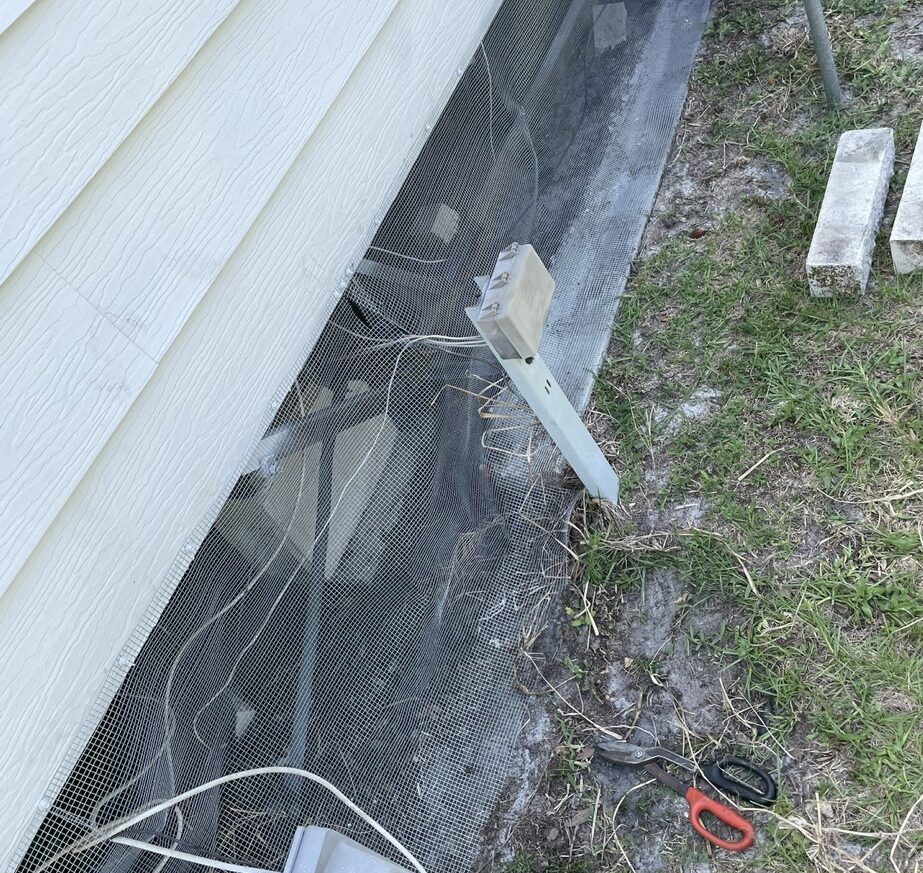
This Beacon Square mobile home is fitted with a quarter‑inch galvanized hardware cloth barrier securely tap‑conned into its concrete foundation, ideal where soil burial isn’t possible. Along with sealed soffits and attic vent protection, it prevents entry by rats, squirrels, raccoons, and snakes. For homeowners seeking a cleaner aesthetic, an interior wrap option—where the hardware cloth is attached behind skirting—is available at a premium cost. The installation is nearly invisible, and it guarantees exclusion—unlike bait boxes or traps that only handle current infestations.
Frequently Asked Questions — Beacon Square Edition
Install a continuous ¼-inch galvanized hardware cloth barrier—either buried in soil, tap‑conned into concrete foundation, or wrapped inside for a hidden finish. This is the only guaranteed exclusion method.
Common pests include rats, mice, raccoons, squirrels, opossums, armadillos, snakes, and occasionally bats or feral cats.
Choose a licensed local wildlife removal professional with experience in dead animal removal from under mobile homes, exclusion installation, and proper cleanup.
Typical costs range from $150–500, depending on access, odor, and whether repairs or cleanup is needed.
Use a full exclusion plan: install hardware cloth, seal soffits and vents, remove attractants, and keep vegetation away from skirting and crawl space edges.