Citrus County Wildlife Removal & Rodent Control
If you need Citrus County wildlife removal, the problem usually starts long before the animal is actually seen. Homeowners across Citrus County often first notice scratching in the attic, torn soffits, droppings in insulation, animals under the home, or strong odors coming from walls, crawl spaces, or rooflines.
At All In One Wildlife Removal, we help property owners across Citrus County remove rats, raccoons, squirrels, bats, snakes, opossums, armadillos, and other nuisance wildlife from attics, crawl spaces, yards, mobile homes, and other vulnerable areas. We focus on the full issue, including inspection, removal, exclusion, and cleanup when needed.
Citrus County homes, waterfront properties, wooded lots, and mobile homes all deal with wildlife pressure. Animals use overhanging trees, open skirting, roof defects, vents, and utility gaps to get inside. Once they do, they can contaminate insulation, damage wiring, create odor problems, and keep returning if the entry points are left open.
Send Us A Message
Where Citrus County Wildlife Problems Usually Start
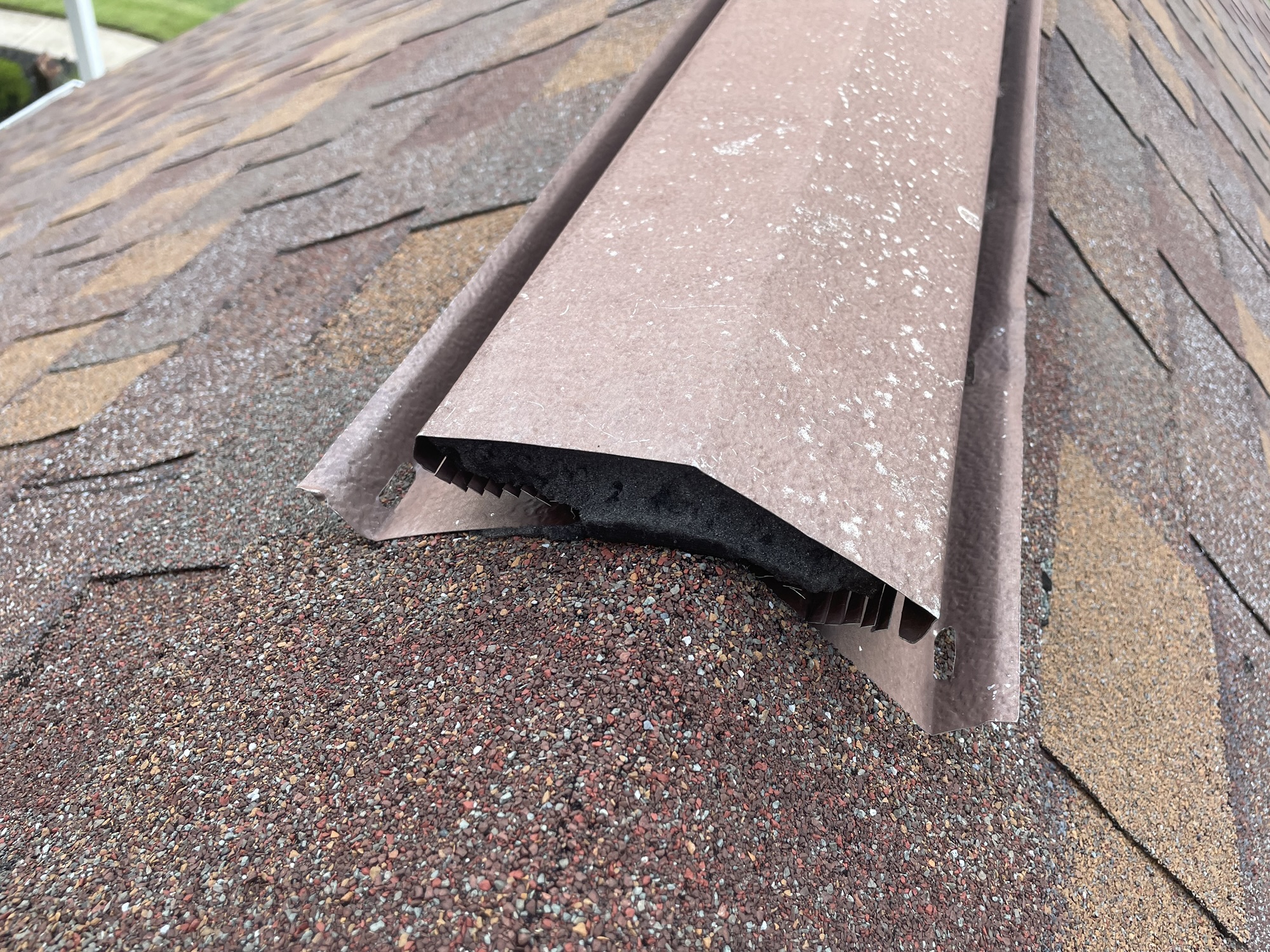
Wildlife problems in Citrus County often start with one weak spot in the exterior of a home. A loose soffit panel, an open vent, a worn ridge line, damaged skirting, or a gap around utilities may not look like much, but to a rat, squirrel, raccoon, or snake, it can be enough to turn a home into shelter. That is why many infestations begin quietly and get worse over time.
- Roof soffits and fascia: common access points for raccoons and squirrels
- Ridge vents and gable vents: frequent rodent and attic wildlife entry points
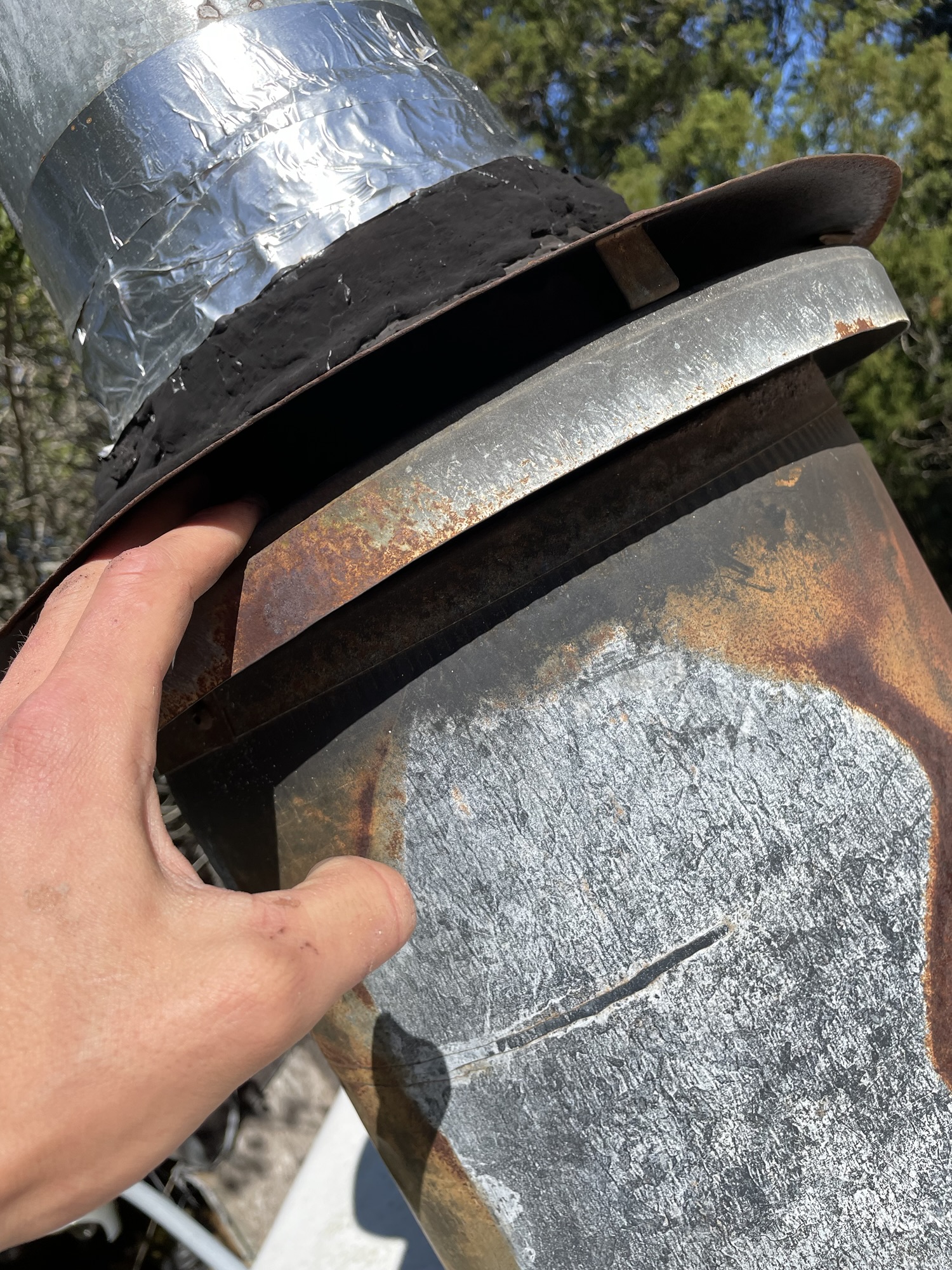
- Utility penetrations: gaps around lines, pipes, and exterior openings can allow rodents inside
- Mobile home skirting: damaged or open skirting creates easy access underneath the structure
- Ground vents and crawl spaces: vulnerable spots for snakes, rats, and under-home wildlife activity
Attic Wildlife Issues We See in Citrus County
Attics are one of the most common places wildlife settles once it gets inside a Citrus County home. Raccoons may tear into a roof edge or soffit to create a larger opening. Squirrels can chew their way through roofline gaps. Rats and mice follow utility routes and vents into attic spaces. Bats may roost behind fascia boards or in protected openings around the roof.
Once wildlife is in the attic, the damage can spread quickly. Insulation becomes contaminated. Droppings and urine create odor issues. Wires can be chewed. Openings often get larger over time, which allows more animals to enter later. Many homeowners do not realize how serious the problem is until they hear heavy movement overhead or see stains, droppings, or damaged materials.
Common Signs of Attic Wildlife
- Scratching, thumping, or running sounds above the ceiling
- Droppings in attic insulation or along access points
- Strong odor from urine, nesting, or a dead animal
- Chewed wood, wires, or ductwork
- Torn soffits, damaged vents, or visible roofline entry holes
Rodent Problems in Citrus County Homes
Rodents are one of the biggest reasons homeowners search for Citrus County wildlife removal. Rats and mice can move through attics, garages, wall voids, utility areas, and under homes while leaving contamination behind the entire time. They are often active long before they are actually seen, especially when they are nesting in insulation or traveling along hidden routes inside the structure.
A rodent problem is not just annoying. It can create fire risk from chewed wiring, odor from droppings and urine, and sanitation issues in the attic or crawl space. Proper rodent control means finding the active entry points, removing the animals present, and closing off the conditions that allowed the infestation to start.
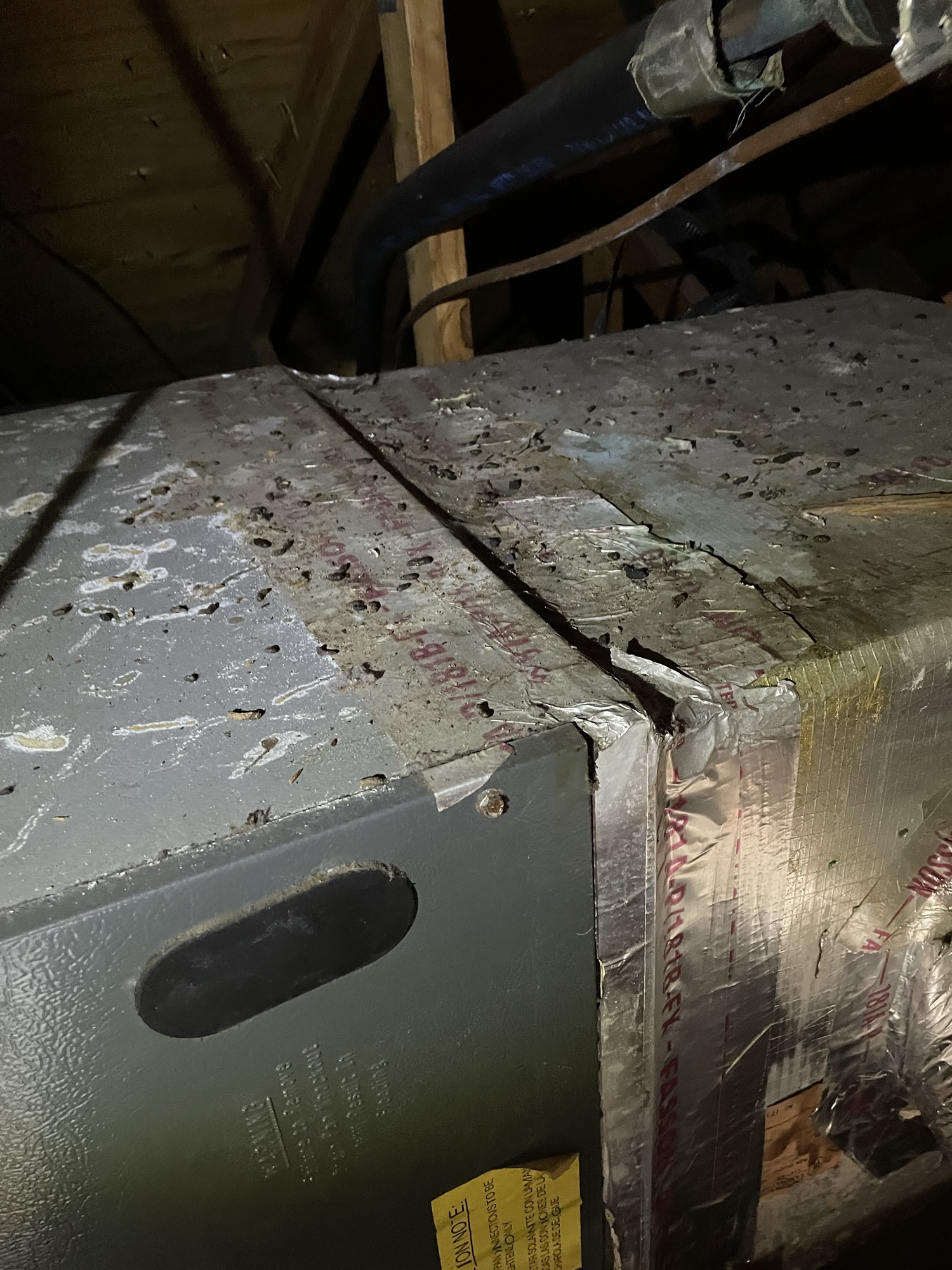
- Droppings in attic insulation or along access routes
- Scratching noises at night
- Chewed wires or damaged stored items
- Strong ammonia-like odor in enclosed spaces
- Entry around vents, pipe gaps, or lower exterior openings
Wildlife Around Yards, Crawl Spaces, and Ground-Level Areas
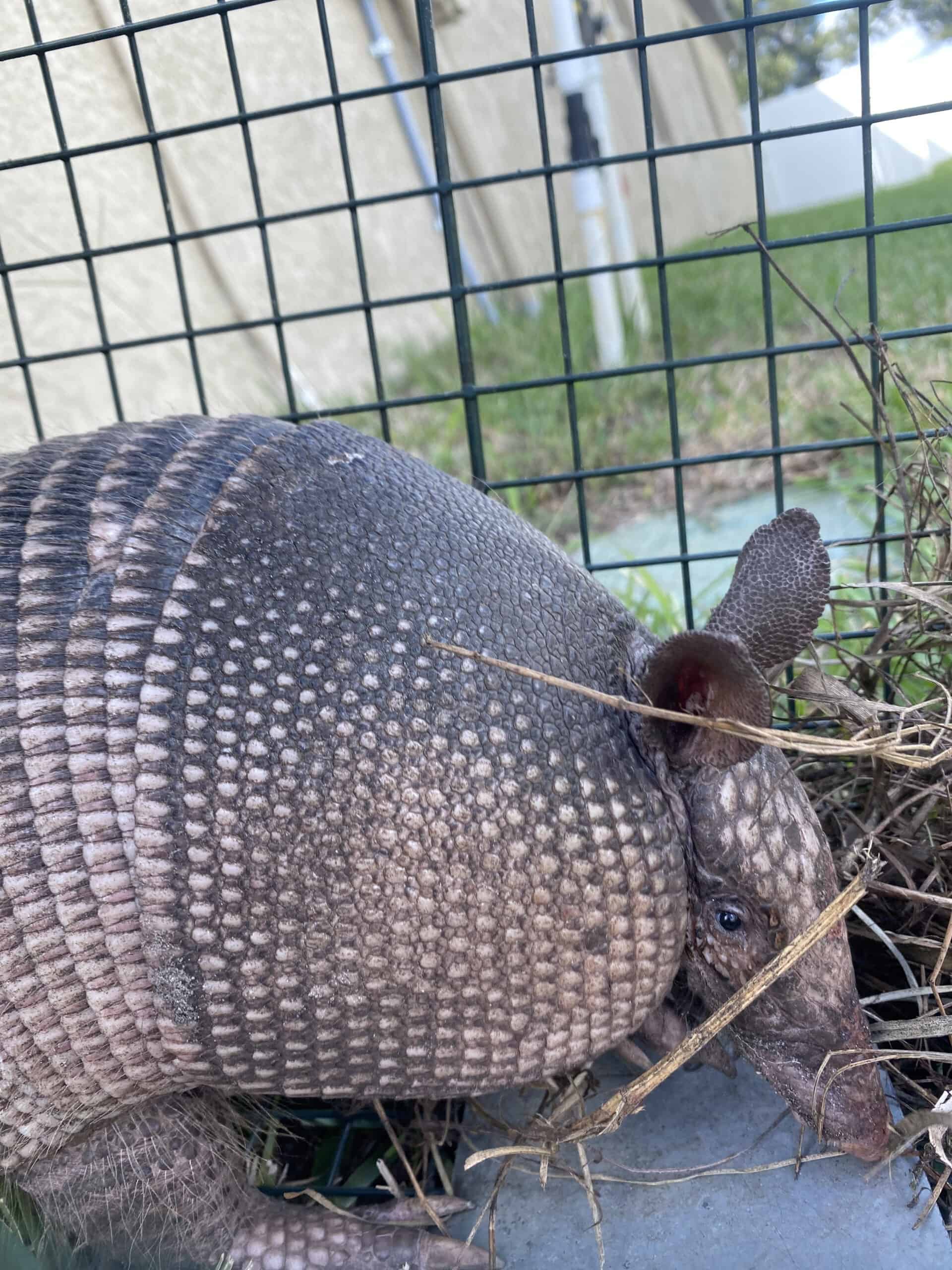
Not every wildlife problem in Citrus County starts in the attic. Many begin around the yard, under porches, along foundations, near sheds, or beneath mobile homes. Armadillos dig around landscaping and perimeter areas. Opossums and raccoons may shelter under structures. Snakes often show up where rodents, frogs, or lizards are already active. Moles and gophers can create tunneling and yard damage that shows the property is already attractive to wildlife.
These ground-level issues matter because they often lead back to the structure. Burrows near the foundation, open skirting, damaged crawl-space vents, or repeated animal activity around one side of the property usually mean there is shelter nearby or an access point that has not been corrected.
Mobile Home and Under-Home Wildlife Control in Citrus County
Mobile homes and raised structures across Citrus County are especially vulnerable to wildlife. Open skirting, easy access under the structure, and utility penetrations create a perfect setup for rats, snakes, opossums, raccoons, and burrowing animals. Once animals establish activity underneath the home, the result can include droppings, odor, damaged ductwork, torn insulation, compromised vapor barriers, and repeat activity if the perimeter is not sealed properly.
This is a common concern in places like Homosassa rodent & wildlife removal, Crystal River rodent & wildlife removal, Floral City rodent & wildlife removal, and Dunnellon rodent & wildlife removal, where under-home wildlife activity is often part of the larger problem.
- Open or damaged skirting
- Wildlife nesting beneath the structure
- Contamination and odor under the home
- Damage to insulation, ducts, and lower building materials
The Most Common Animals We Remove in Citrus County
- Rats and mice: attic contamination, chewing, and hidden travel routes
- Raccoons: torn soffits, roof damage, and attic nesting
- Squirrels: roofline entry, chewing, and daytime attic noise
- Bats: roosting in protected roof and attic voids
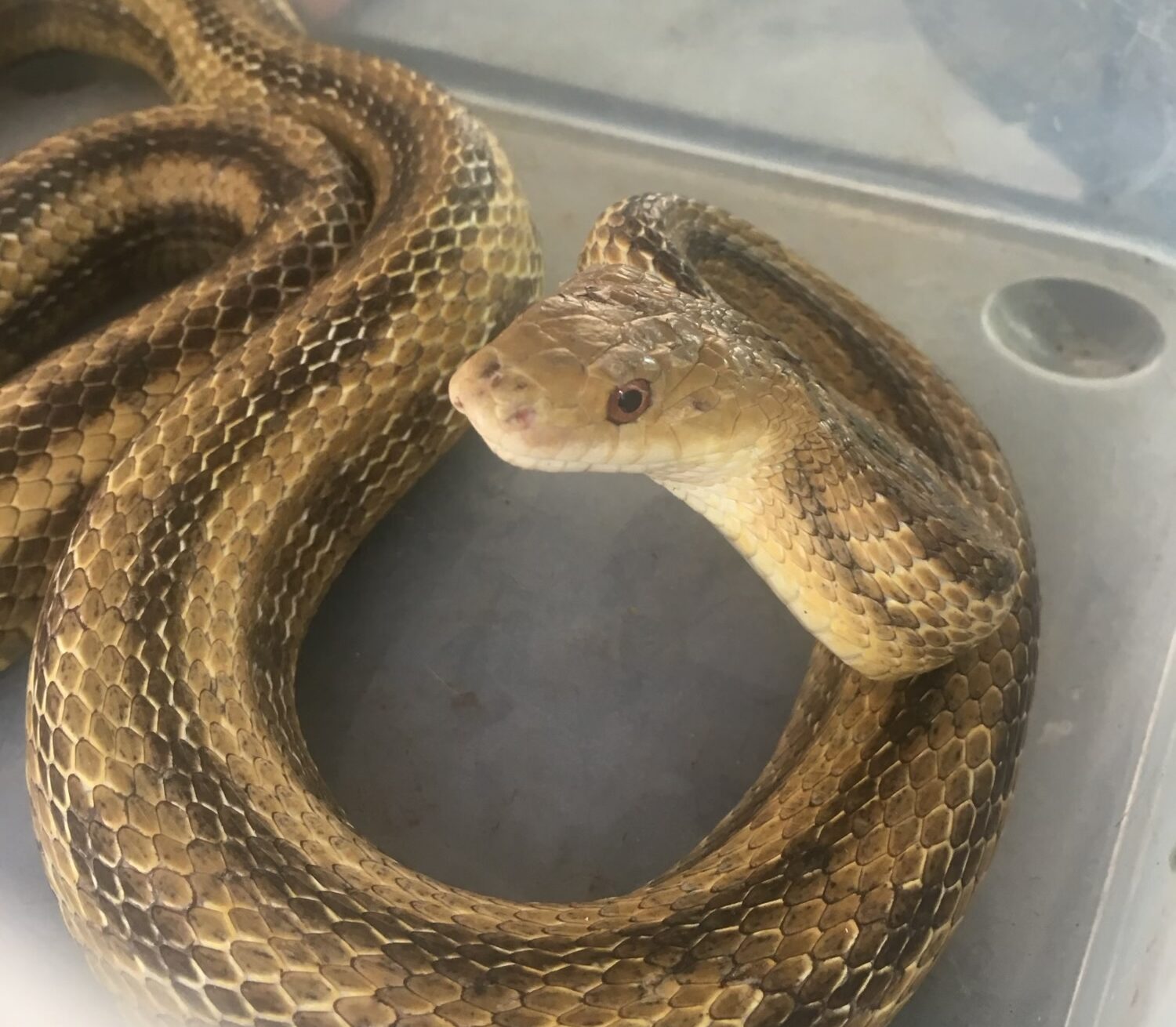
- Snakes: under homes, in garages, or around high-prey areas
- Opossums: under structures, in crawl spaces, or enclosed areas
- Armadillos: burrowing damage near foundations and skirting
- Moles and gophers: tunneling and yard disruption
Different animals create different kinds of damage, which is why proper wildlife removal starts with identifying what is actually present instead of guessing based on one symptom alone.
What Our Citrus County Wildlife Removal Process Looks Like
The best wildlife results come from dealing with the animal, the damage, and the access point together. That usually means more than just trapping one animal and moving on.
Inspection and Identification
- Identify the active animal and confirm where activity is occurring
- Inspect rooflines, attics, vents, crawl spaces, yards, and under-home areas
- Locate entry points, droppings, odor sources, and damaged materials
Removal
- Address the active animal problem safely and correctly
- Check for hidden nesting situations or multiple animals
- Confirm that the source of the activity is actually resolved
Exclusion and Sealing
- Seal roofline gaps, soffits, vents, skirting openings, and other common access points
- Address weak areas that allowed wildlife into the home
- Help reduce the chance of repeat activity on the same property
Cleanup and Restoration
- Remove contaminated materials when necessary
- Address odor, sanitation, and wildlife mess left behind
- Restore affected spaces as part of the overall wildlife solution
Cleanup and Attic Restoration After Wildlife Removal
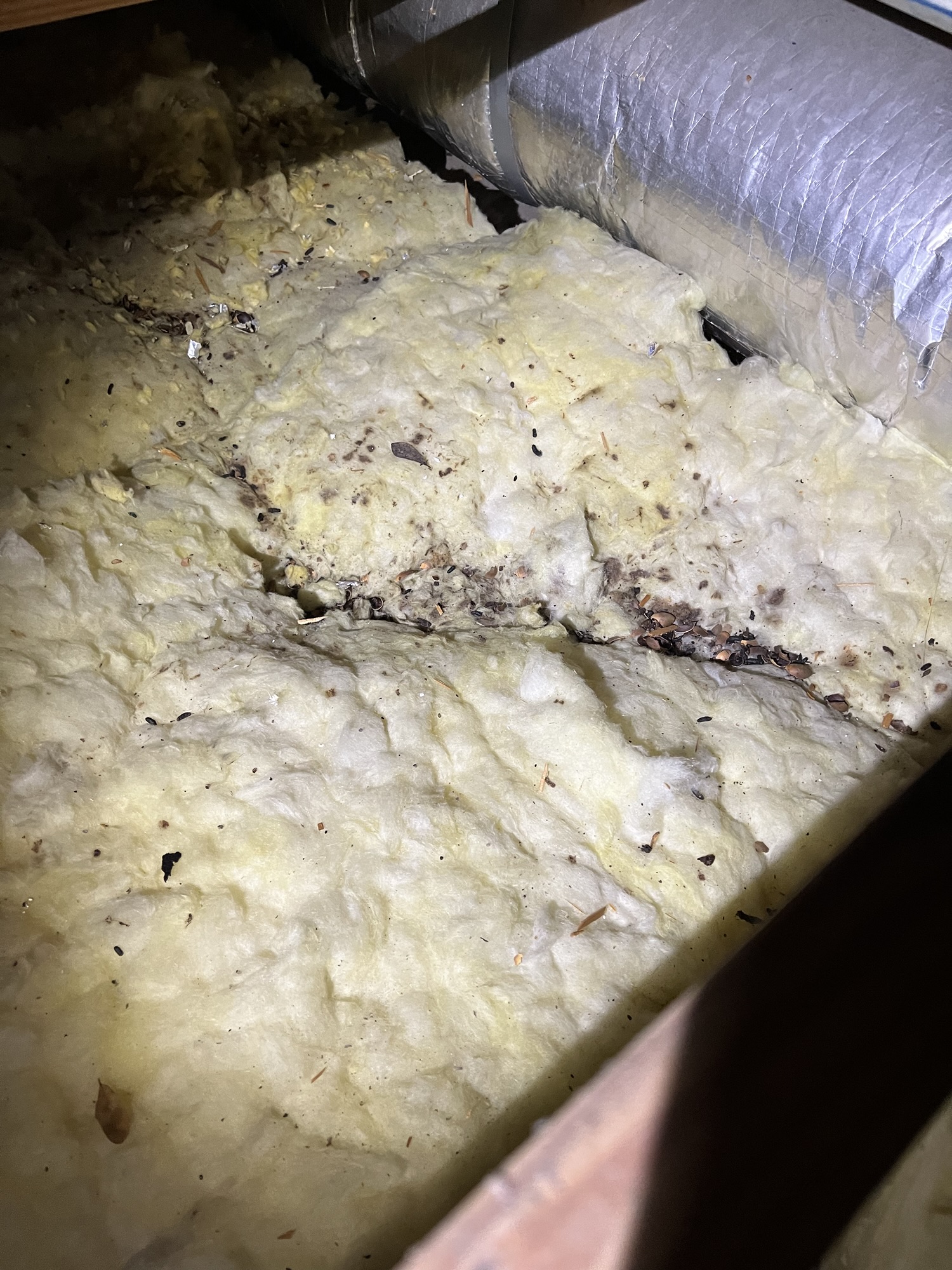
Wildlife removal is only one part of the job. Rodent droppings, urine contamination, nesting debris, chewed materials, and dead-animal odor can continue causing issues even after the animal itself is gone. Attic restoration and cleanup work help return the space to a cleaner and safer condition while also removing signs that can attract future activity.
- Removal of contaminated attic insulation when needed
- Cleanup of droppings, urine contamination, and nesting debris
- Odor treatment and sanitation
- Repair or correction of affected wildlife access areas
Cities We Serve in Citrus County
We provide Citrus County wildlife removal services throughout the county, including homes, waterfront properties, wooded neighborhoods, rural lots, and mobile homes in these communities:
- Beverly Hills rodent & wildlife removal
- Citrus Springs rodent & wildlife removal
- Crystal River rodent & wildlife removal
- Dunnellon rodent & wildlife removal
- Homosassa rodent & wildlife removal
- Inverness rodent & wildlife removal
- Lecanto rodent & wildlife removal
- Pine Ridge rodent & wildlife removal
- Floral City rodent & wildlife removal
- Sugarmill Woods rodent & wildlife removal
Wildlife issues are common throughout Citrus County areas like Crystal River, Inverness, Homosassa, Lecanto, and Sugarmill Woods, where trees, crawl spaces, roofline openings, and under-home access can all contribute to repeat animal problems if they are not corrected properly.
Why Property Owners Call All In One Wildlife Removal
Wildlife problems are rarely solved by guessing or by focusing on only one part of the issue. Property owners need someone who can identify the animal, understand how it got in, remove it from the structure, and deal with the contamination or damage it left behind. That is especially important when the problem involves attic wildlife, rodent contamination, under-home activity, or repeat entry from the same opening.
We work on residential and commercial wildlife problems throughout Citrus County and handle the kinds of issues that commonly show up in attics, crawl spaces, mobile homes, yards, and rooflines.
Need Citrus County Wildlife Removal?
If you are hearing scratching in the attic, finding droppings, noticing wildlife damage around the roofline, or dealing with animals under the home, professional Citrus County wildlife removal can help stop the problem before it turns into bigger contamination and repair costs.
Contact All In One Wildlife Removal to schedule an inspection for rats, raccoons, squirrels, bats, snakes, opossums, armadillos, and other nuisance wildlife throughout Citrus County Florida.
Wildlife removal usually starts with an inspection to identify the animal, locate the entry point, and confirm where activity is happening. After removal, sealing and exclusion work help stop the same problem from coming back.
Common nuisance wildlife in Citrus County includes rats, mice, raccoons, squirrels, bats, snakes, opossums, armadillos, moles, and gophers.
Wildlife often gets in through damaged soffits, ridge vents, gable vents, roofline gaps, utility penetrations, ground vents, and skirting openings under the home.
The cost depends on the type of animal, where the problem is located, how much contamination or damage is present, and whether cleanup or exclusion work is needed. An inspection is usually the best way to determine pricing.